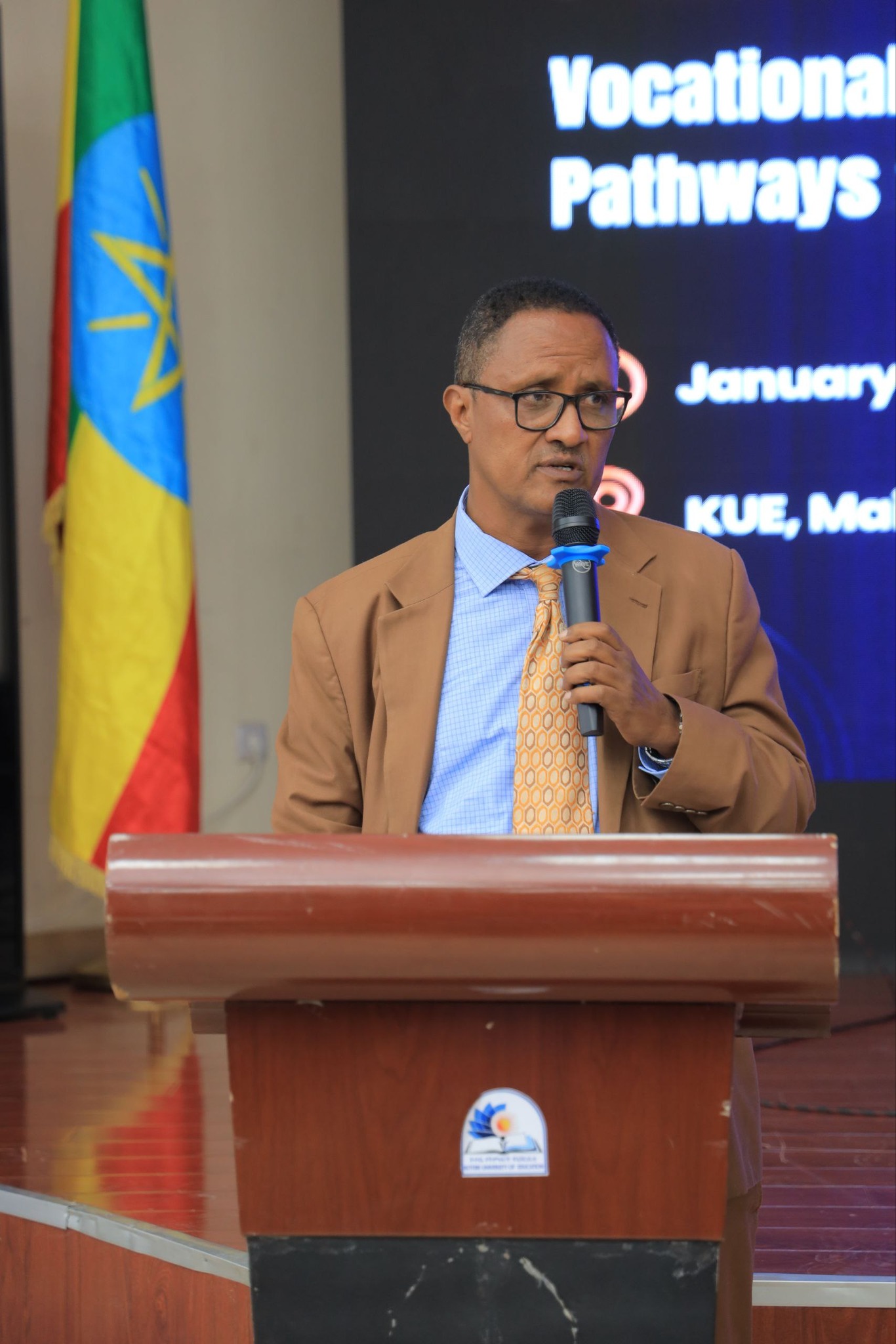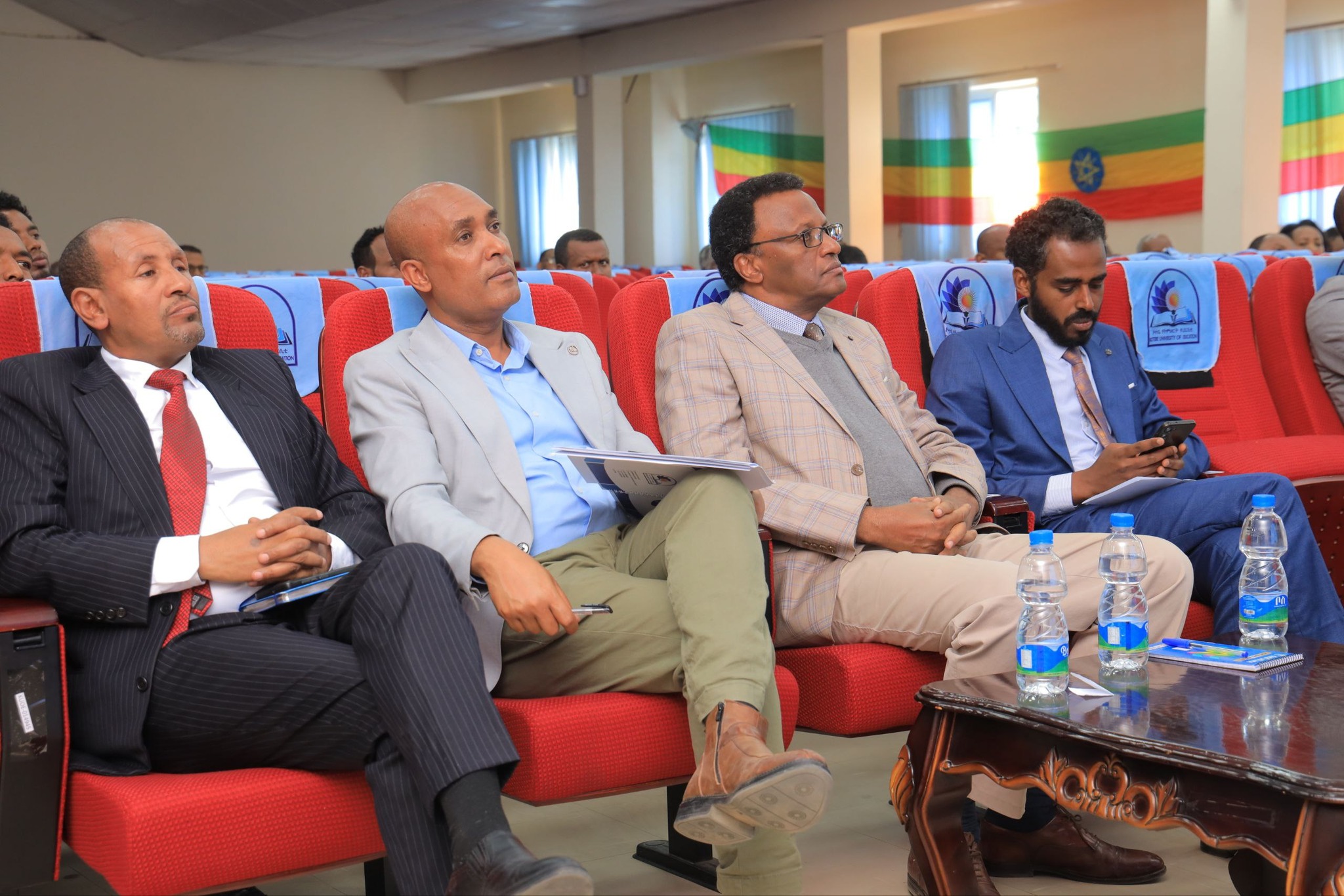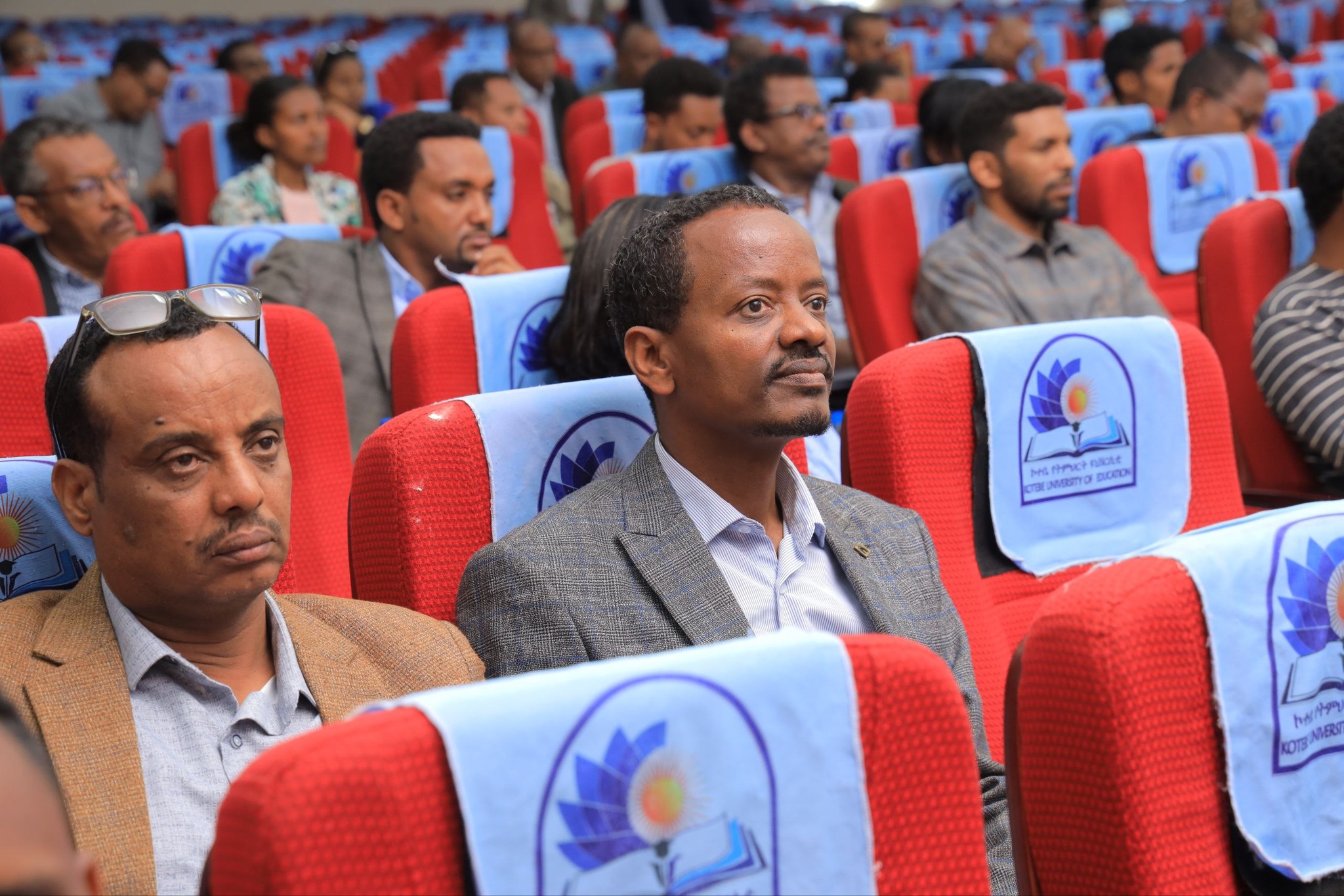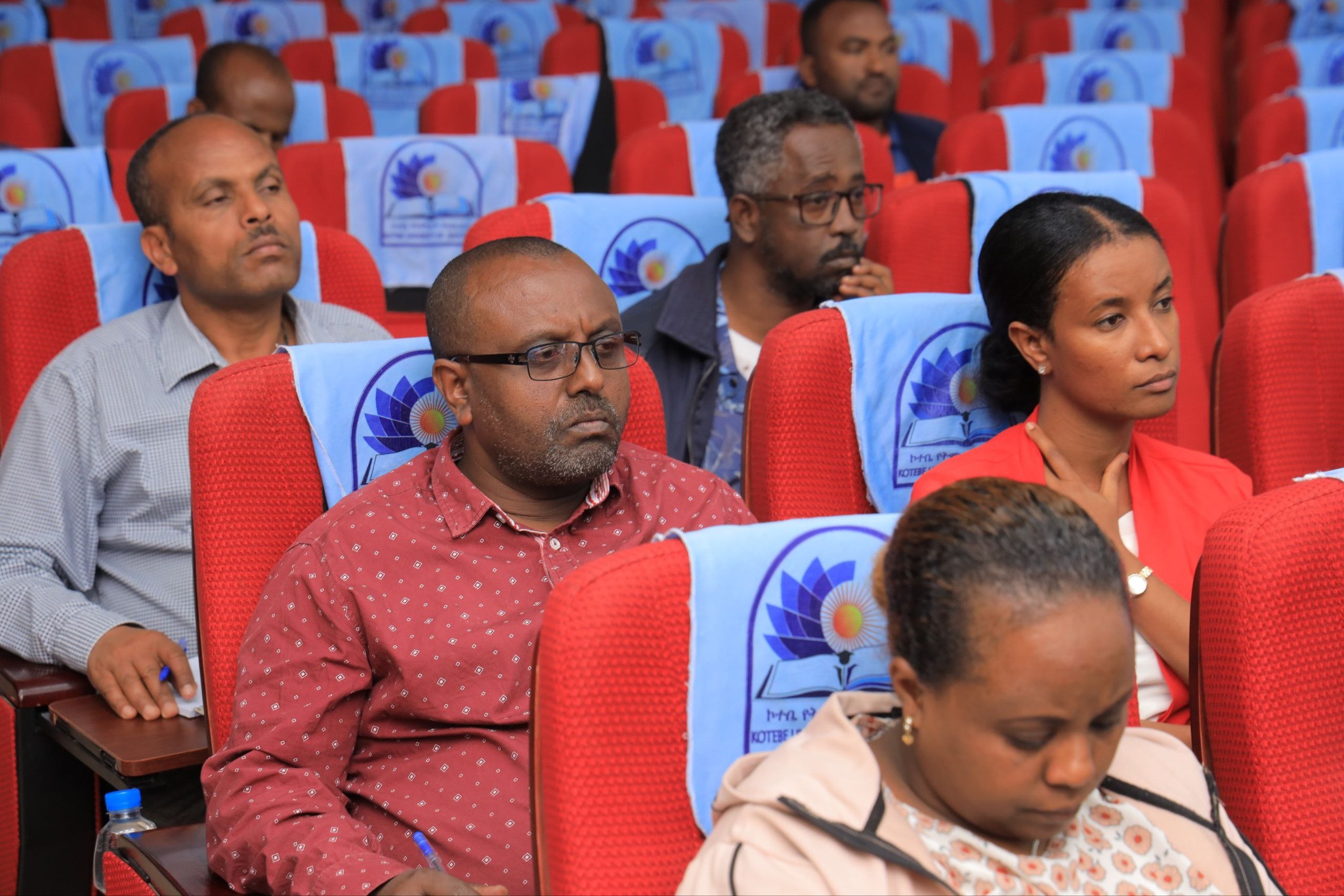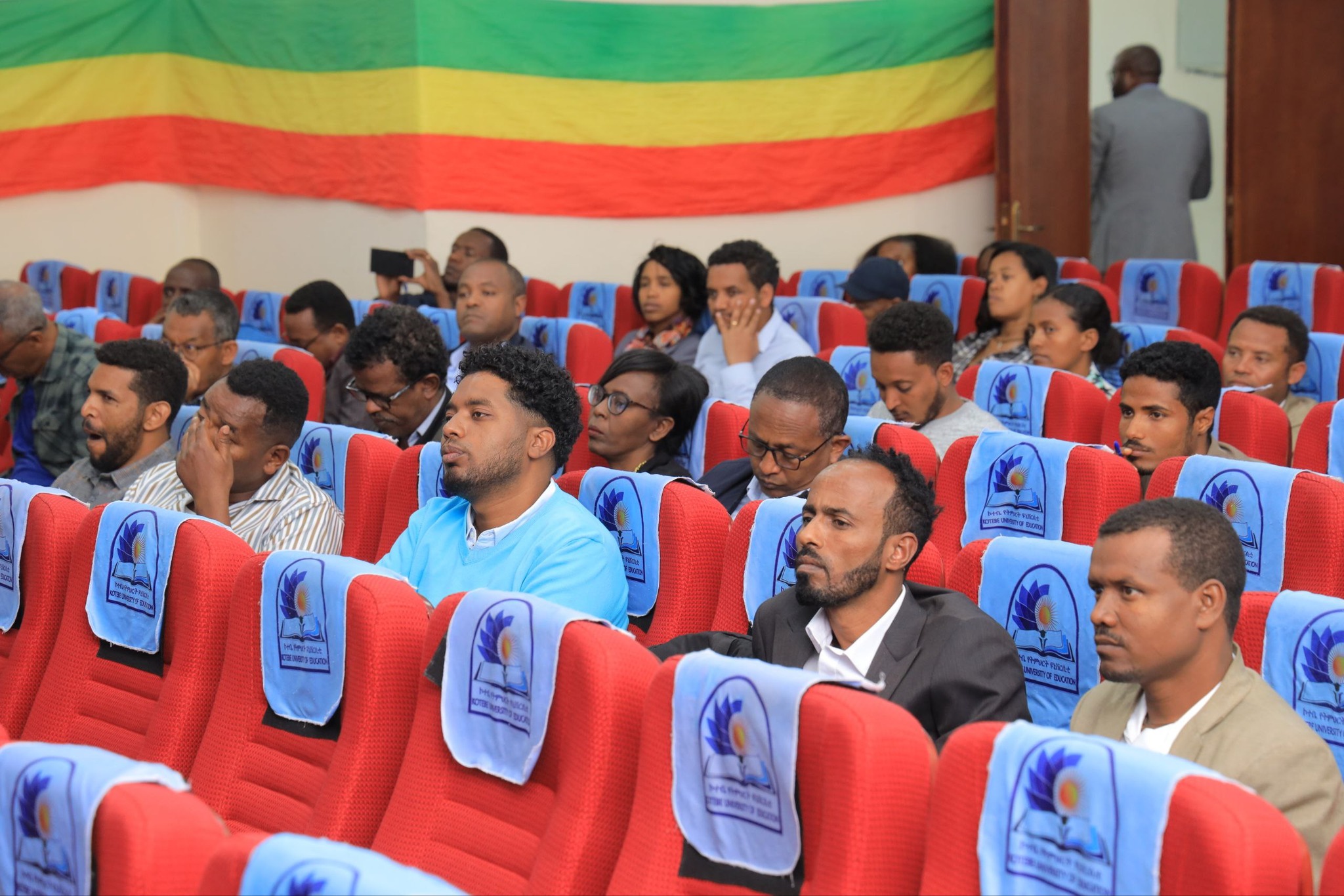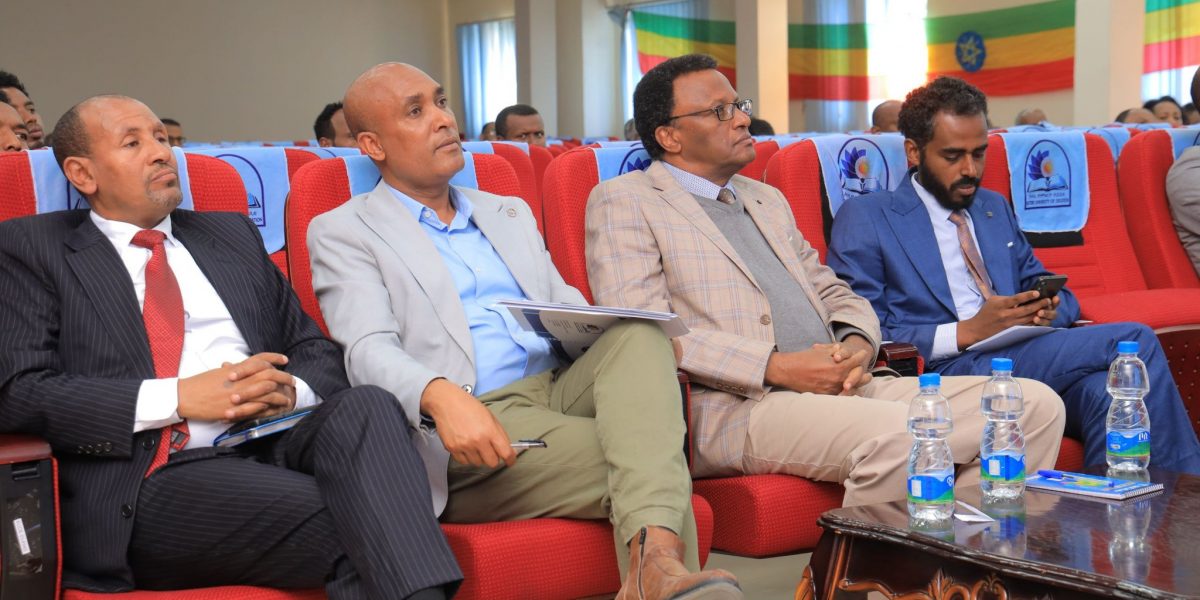
(KUE, January 23, 2026) — Kotebe University of Education (KUE) has officially launched a two-day National Research Conference, running from January 23–24, 2026, under the theme “Vocationalization of General Education in Ethiopia: Pathways to Skills and Employability.”
The conference has brought together scholars and experts from across the country to discuss the nexus between student training and labor-market needs, aiming to identify pathways to better align education with the world of work.
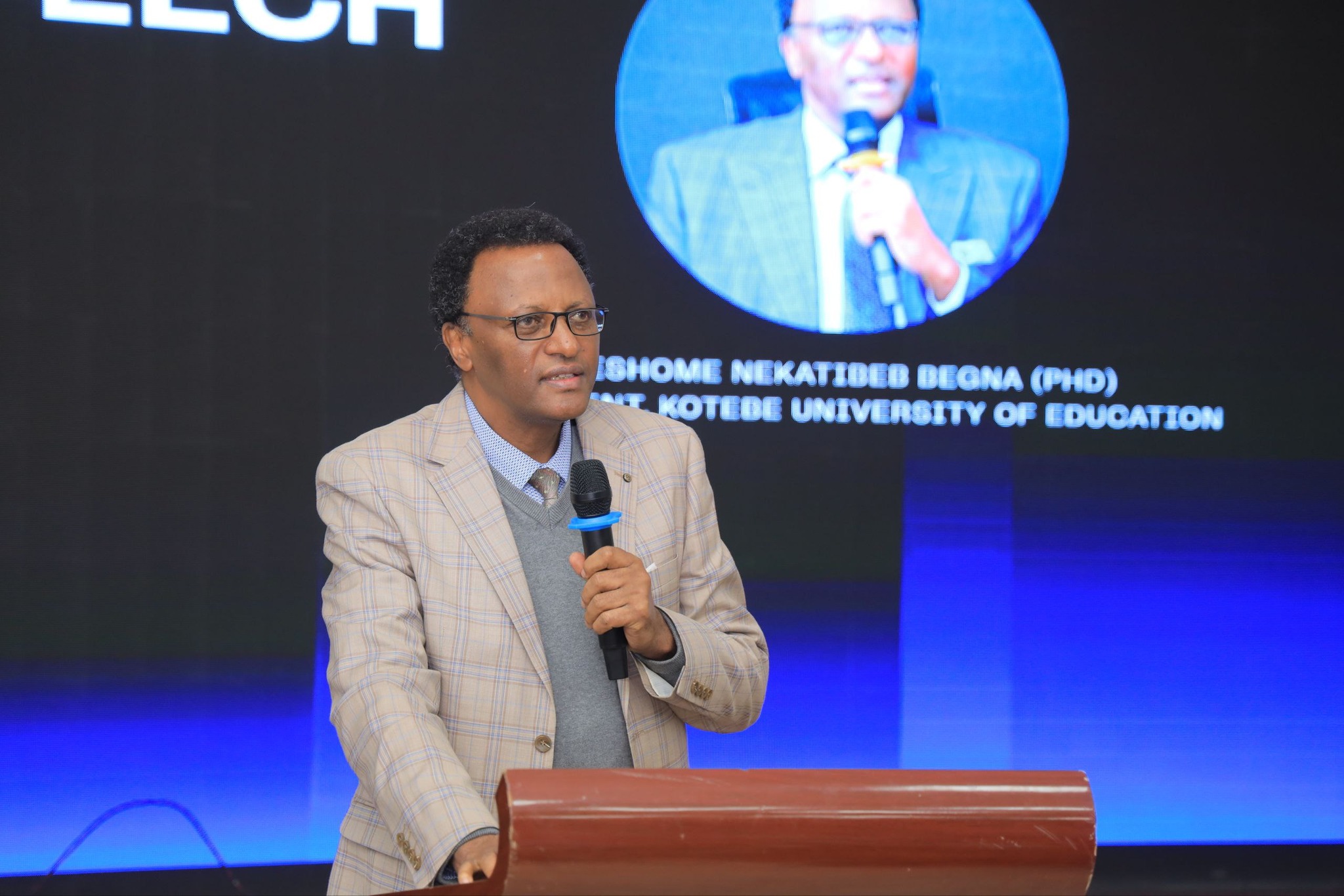
In his opening address, Dr. Teshome Nekatibeb, President of KUE, welcomed participants and formally inaugurated the event. Dr. Teshome emphasized the importance of equipping students with marketable and employable skills alongside academic knowledge. He noted that persistent attitudinal challenges toward vocationalization remain a major obstacle and stressed the need for reforms in both mindsets and curricula to advance a vocationalized education system. He concluded by expressing his hope that the conference would generate innovative scholarly insights and foster academic networks.
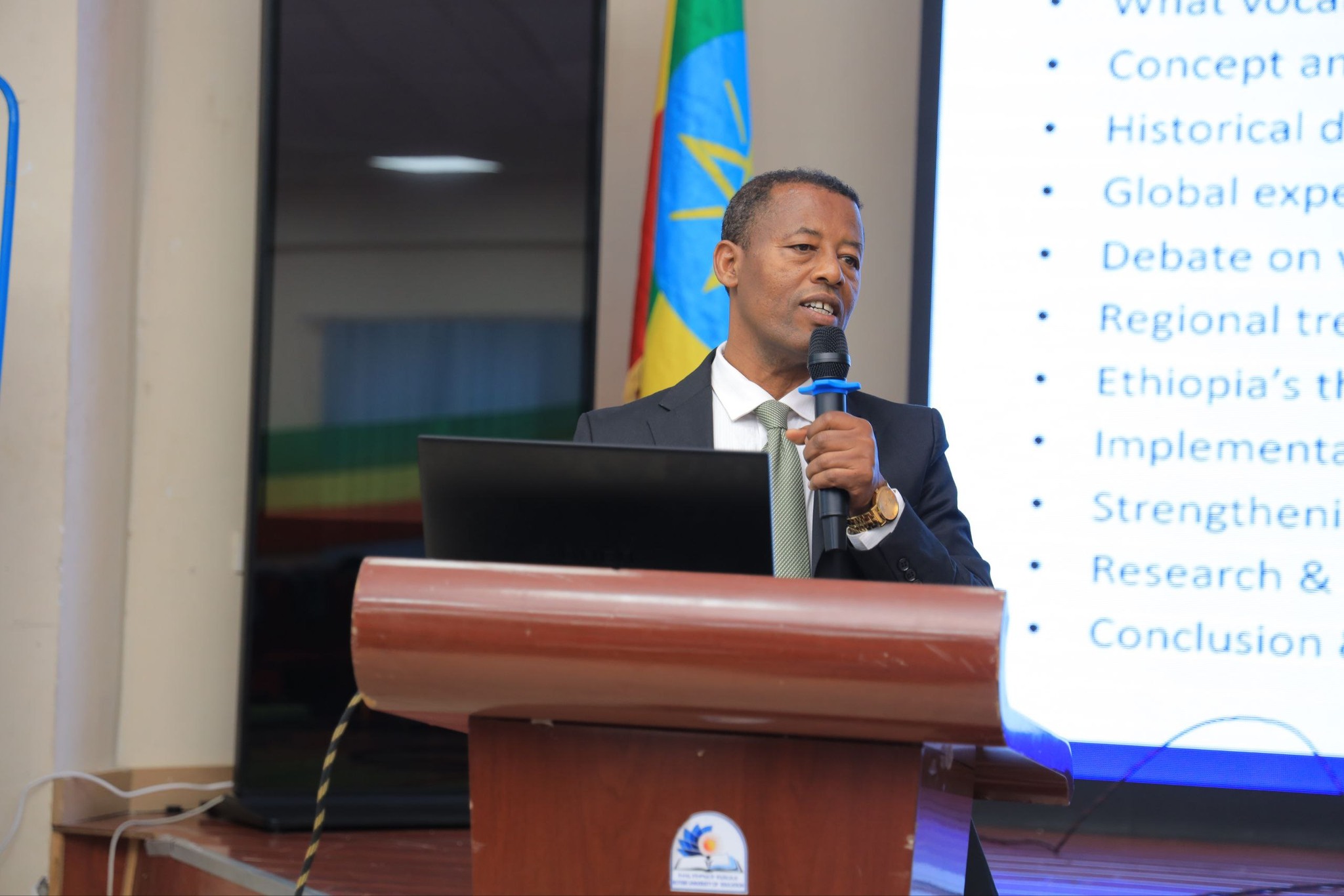
Dr. Tewodros Mulugeta, Vice President for Research and Community Engagement, also addressed the gathering. He described the conference as timely and crucial, noting that vocationalization requires national-level collaboration to identify effective pathways forward. He highlighted KUE’s mandate to produce professionals who can meet labor-market demands, particularly as the country faces a shortage of competent teachers. Dr. Tewodros expressed optimism that the discussions would yield insights capable of informing policy and practice.
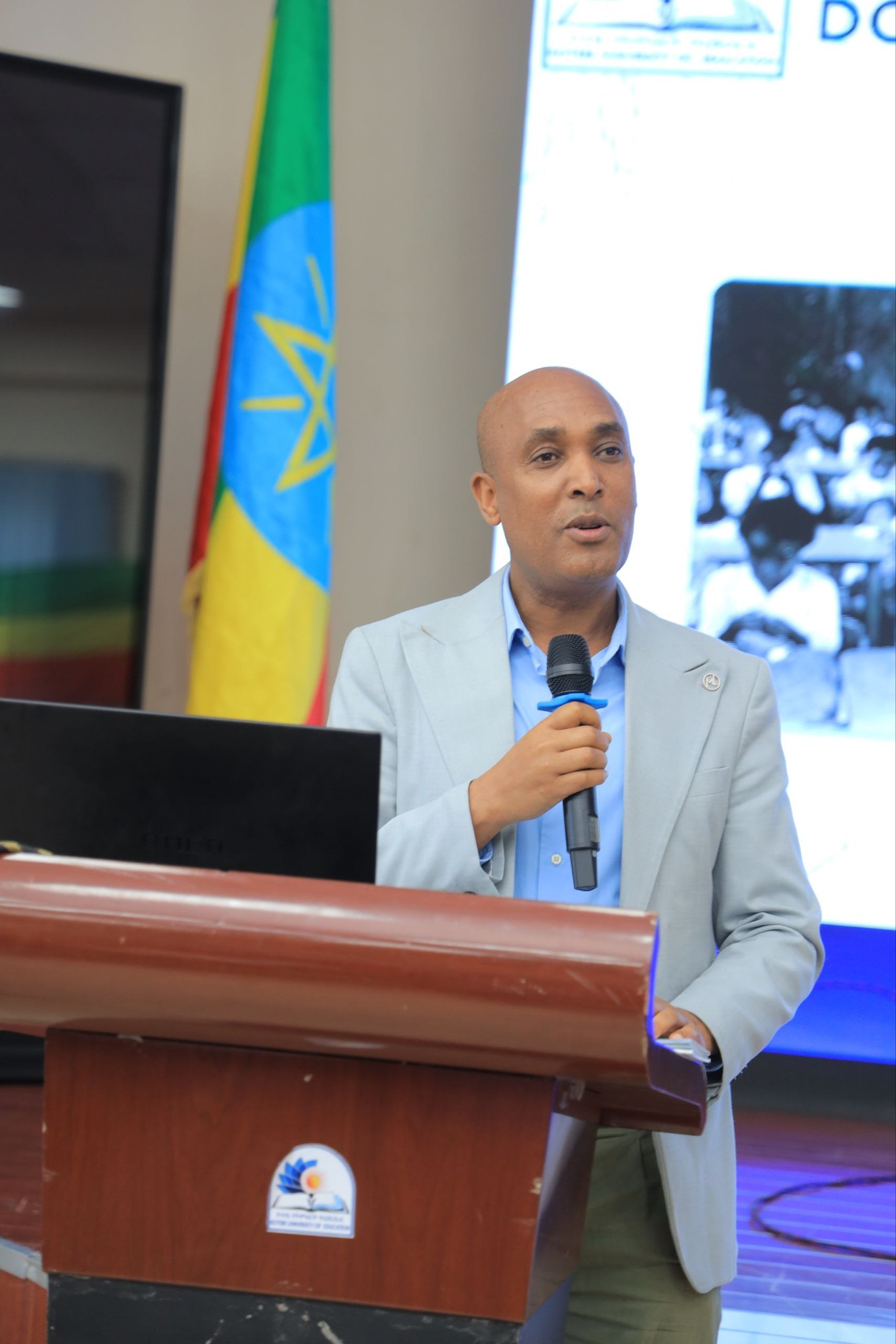
Delivering the keynote address, Dr. Alebachew Kemiso, Vice President for Academic Affairs, presented a paper titled “Domestic Reform and Women’s Vocational Education in Ethiopia (1870s–1974): Navigating a Contested Landscape.” The keynote reviewed Ethiopia’s historical experience with vocational education, drawing lessons, identifying research gaps, and highlighting policy implications.
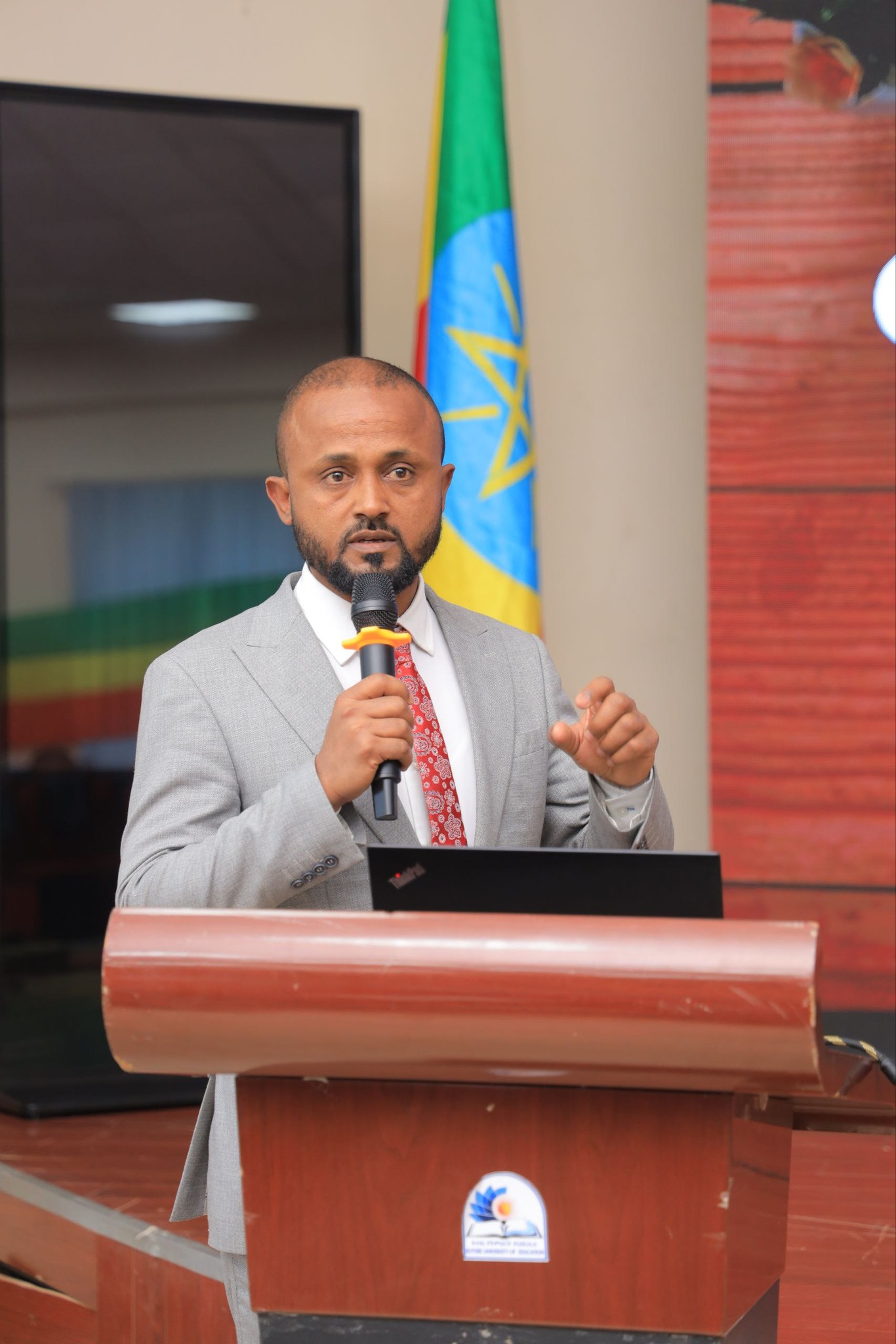
During the morning session, several research papers were presented, including: “Vocationalization as a strategic human capital investment drawing on evidence from two decades of research” and vocationalization in Ethiopia: pathways to skills development” followed by discussions with participants.
In the afternoon, additional papers were presented across two parallel syndicate sessions, exploring diverse dimensions of vocationalization, skills development, and employability.
The conference will continue on January 24, 2026, with further discussions addressing key national priorities related to vocationalization and education reform.